
The fascinating journey of gambling through history
The Origins of Gambling
The history of gambling dates back to ancient civilizations, with evidence suggesting that it existed in various forms as early as 3000 BC. The earliest known gambling activities involved games of chance using dice, which were made from animal bones. In ancient Mesopotamia, people played games similar to modern-day betting, often involving the outcome of athletic contests or events. Today, one can discover the best online casino south africa that continues this age-old tradition.
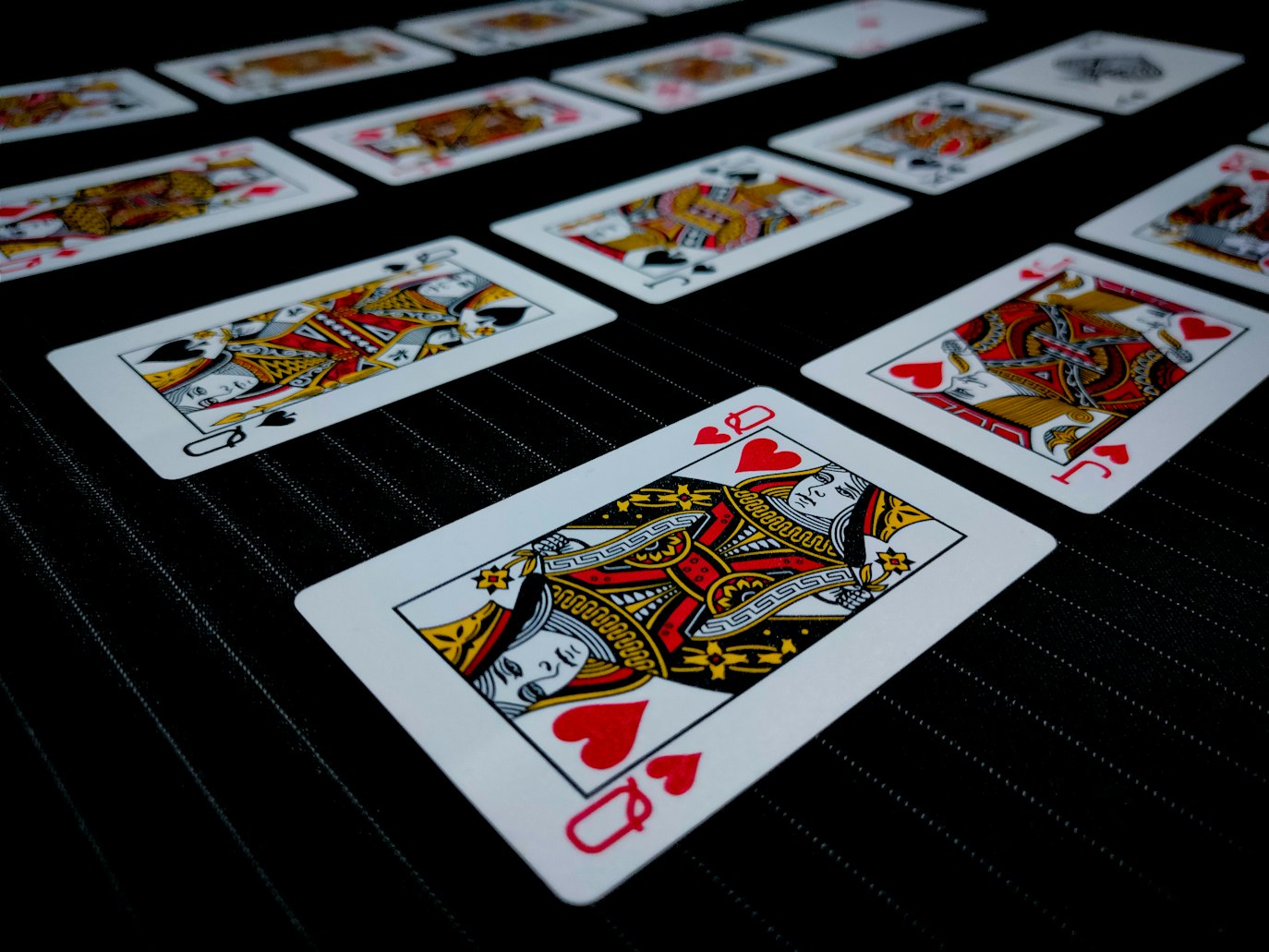
As societies evolved, so did the methods of gambling. Ancient China developed games using tiles and cards, and betting on the outcome of events became popular among the nobility. These early practices laid the groundwork for the gambling industry we recognize today, revealing a deep-seated human fascination with chance and risk.
Gambling in the Middle Ages
The Middle Ages saw gambling evolve alongside societal changes. While many viewed gambling as a vice, it remained deeply embedded in cultural practices. The introduction of playing cards in the 14th century marked a significant turning point, offering new opportunities for wagering. Taverns and inns became hubs for gambling activities, where people engaged in card games and dice throwing.
As the church condemned gambling, various laws emerged to regulate or prohibit it. Yet, despite restrictions, gambling persisted, often leading to underground activities. This period also witnessed the rise of lotteries as a means of raising funds for public works, showcasing how gambling could serve societal needs despite its contentious nature.
The Rise of Modern Gambling
The 18th and 19th centuries marked a turning point in the history of gambling with the establishment of formal casinos and betting houses. The first recognized casino opened in Venice in 1638, serving as a model for future establishments. By the time of the Industrial Revolution, gambling had transformed into a more organized and commercial enterprise, with racetracks and betting shops flourishing.
This era also saw the emergence of gambling as a popular entertainment form, attracting a broader audience. The creation of games like poker and roulette solidified gambling’s place in modern leisure activities. As nations began to recognize the potential economic benefits of regulated gambling, governments began to adopt frameworks that allowed for the legal operation of casinos and betting establishments.
Gambling in the Digital Age
With the advent of the internet, gambling underwent another significant transformation. Online casinos emerged in the late 1990s, allowing players to access their favorite games from the comfort of their homes. This shift opened up new avenues for gambling, leading to a boom in the industry. Players could now engage in a variety of games, from slots to live dealer experiences, all with just a few clicks.
However, this digital revolution also raised concerns regarding regulation and security. As online gambling grew in popularity, so did the need for strict licensing and oversight to protect players from fraud. The industry responded by implementing measures to ensure safe gaming environments, leading to a more responsible approach to gambling in the digital landscape.

Finding Your Place in the Gambling World
As you explore the fascinating world of gambling, it is essential to choose platforms that prioritize your safety and enjoyment. Our website provides comprehensive evaluations of licensed online casinos, focusing on aspects like game quality, instant payouts, and secure banking methods. With expert insights, we aim to guide you in selecting the right casino that meets your needs and preferences.
Whether you prefer slots, table games, or live dealer options, our evaluations ensure you find a safe and enjoyable gaming environment. We also highlight the importance of customer support and mobile-friendly interfaces, allowing you to maximize your gaming experience while navigating this exciting journey through history.